
How to care for your wounds after breast surgery
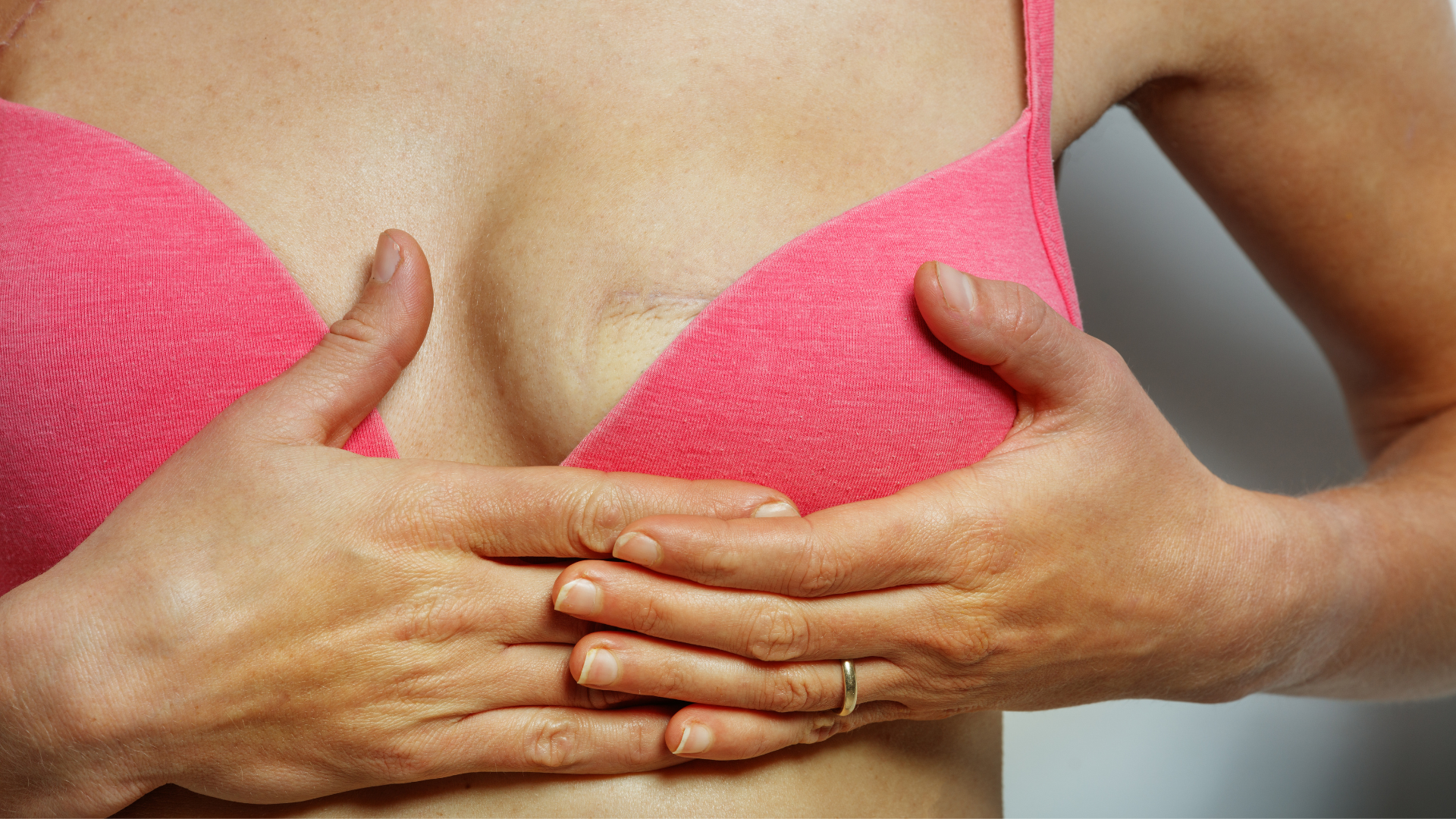
Caring for your surgical wounds after breast surgery
Following breast surgery, you will have a surgical incision on your breast and possibly your armpit. If you have had tissue reconstruction, sometimes called autologous reconstruction, you may also have a wound on your abdomen, back, or thigh.
Caring for your surgical wounds is an important part of recovery. Before leaving the hospital, make sure you have clear written wound care instructions from your surgical team and understand when you will return for follow-up appointments with your surgeon, specialist nurse, or healthcare team.
Whether you are recovering from a mastectomy, breast reconstruction, breast augmentation, breast reduction, or another breast procedure, following your post-operative wound care instructions may help support healing and reduce the risk of complications.
Why post-operative wound care is important
The skin acts as the body's first line of defence against infection and other external threats. When a surgical incision is made, this protective barrier is temporarily disrupted, making it easier for bacteria on the skin to enter the body.
Not following your post-operative wound care instructions may increase the risk of complications such as:
Infection
Delayed wound healing
Increased pain
Scarring
Following the guidance provided by your surgical team is an important part of supporting recovery after breast surgery.
Showering and caring for your dressings
After surgery, it is common to go home with dressings covering your surgical wounds.
Most surgical units allow patients to shower around 48 hours after surgery using a mild antibacterial soap. Your first shower may take place before leaving the hospital so your healthcare team can provide guidance if needed.
After showering, it is important to ensure your dressings are dried thoroughly. This can be done using a clean towel or a hairdryer on a cool setting.
Keeping dressings dry is important because bacteria are particularly attracted to warm, moist environments.
Signs of infection after breast surgery
Your surgical team will take steps to help prevent infection following your operation. However, it is important to know what symptoms to watch for during the first few weeks of healing.
Signs of a possible wound infection may include
Increased pain
Redness around the wound
Skin that feels hot to the touch
Fluid leaking from the wound
Increased swelling
An unpleasant smell from the wound
A temperature
Cold or flu-like symptoms
Aches and chills
If you notice any of these symptoms, contact your surgical team or healthcare provider.
Factors that can affect wound healing
Several factors may influence how your surgical wounds heal after breast surgery.
These may include
Chemotherapy before surgery
Radiotherapy before surgery
A BMI over 30
A diet lacking in protein, vitamins, and minerals
Chronic health conditions such as diabetes
Supporting your overall health before and after surgery may help support the healing process.
For additional guidance, you may find these articles helpful
Supporting your recovery after breast surgery
Looking after your surgical wounds is an important part of recovery after breast surgery. Understanding how to care for your dressings, knowing what signs of infection to look for, and following your surgical team's instructions may help support healing and recovery.
For more expert-reviewed guidance on preparing for surgery and optimizing recovery, download the free BLOOM⁴³ app.
FAQs
-
Proper wound care helps support healing and may reduce the risk of complications such as infection, delayed healing, pain, and scarring.
-
Most surgical units allow patients to shower around 48 hours after surgery using a mild antibacterial soap. Always follow the specific advice provided by your surgical team.
-
Dressings can be dried using a clean towel or a hairdryer on a cool setting after showering.
-
Possible signs of infection include increased pain, redness, warmth around the wound, fluid leakage, swelling, unpleasant odour, fever, aches, and chills.
-
Factors discussed include chemotherapy, radiotherapy, a BMI over 30, poor nutrition, and chronic conditions such as diabetes.
Reviewed by healthcare experts
Every article has been reviewed by a qualified healthcare professional to ensure accuracy and reliability.